
Falling over 44%, what happened to SMIC and Huahong Semiconductor?
On the morning of December 12th, the Hong Kong stock market taught semiconductor investors an unforgettable lesson.
On the morning of that day, the stock price of Huahong Semiconductor plummeted by nearly 6%, and some of its highly leveraged subscription certificates even experienced a knee jerk drop, plummeting by over 40% during the trading session.
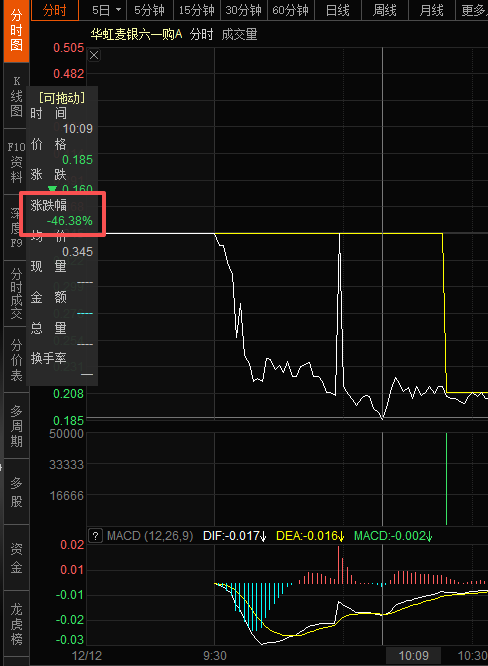
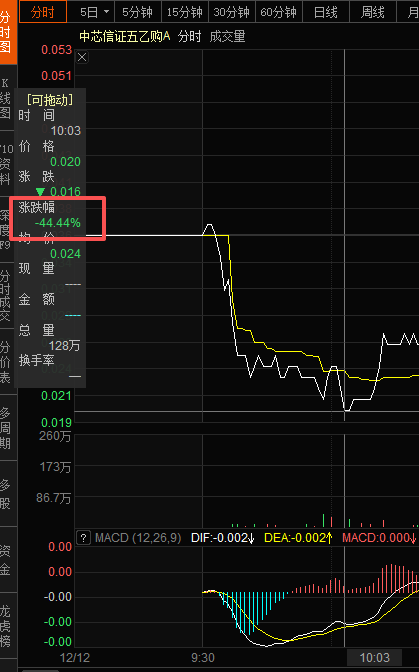
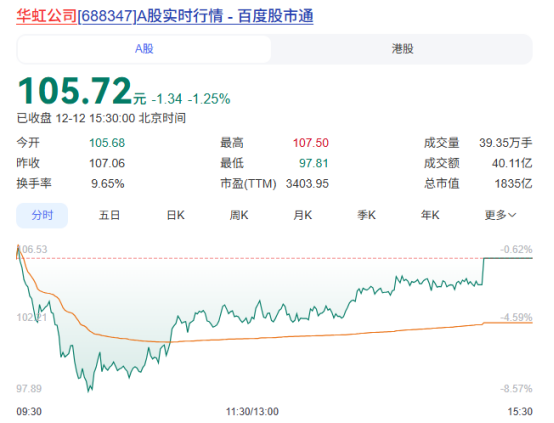
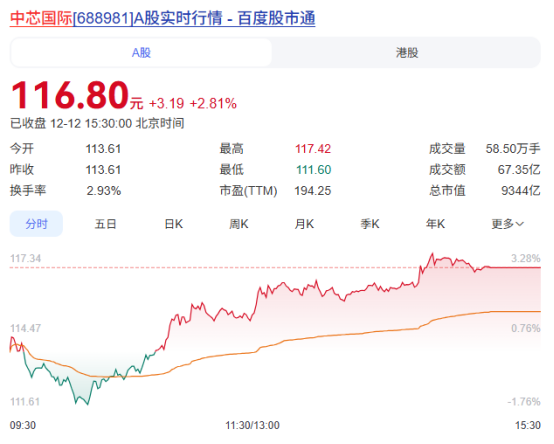
At the same time, A-share company Huahong was also affected, with a intraday decline of over 8%. SMIC's related derivatives were also not spared.
The direct trigger for all of this was quickly found by the market. Originally, Hang Seng Index Company announced that it would adjust the "Hang Seng Hong Kong Stock Connect Software and Semiconductor Index" and plan to exclude several stocks such as SMIC and Huahong Semiconductor.
According to analysis by multiple institutions, this adjustment of the index is to classify semiconductor hardware companies and software service companies more clearly.
However, for a large number of ETFs and funds that passively track the index, rules are instructions. They must sell the excluded constituent stocks regardless of price before the adjustment takes effect, thus forming a concentrated and indiscriminate "passive selling".
This kind of selling pressure coincides with a time when market liquidity is relatively sensitive, and quickly amplifies into a flash crash in stock prices. Especially for highly leveraged derivatives such as warrants, small fluctuations in the underlying stock can trigger a collapse in its price.
Algorithms and models begin to automatically execute sell orders, and they don't care whether the company is a domestic semiconductor or anything else, only cold numbers.
In addition, some foreign research institutions also believe that the news of H200 may affect the long logic of Huahong Semiconductor, and overseas investors may reassess the competitiveness and advantages of chip manufacturers. Huahong Semiconductor fell 4.8% yesterday, and SMIC also closed down 2.26% yesterday.
It is quite dramatic that even as the stock price plummeted, several securities firms still maintained a positive long-term target price range for Huahong Company. The deviation between this short-term 'wrong kill' and long-term optimism precisely reveals the complex mentality of the current market. On the one hand, the narrative of industrial upgrading and domestic substitution remains solid; On the other hand, global macro fluctuations and subtle changes in capital flows are enough to cause the highly elastic semiconductor sector to swing violently.
An investment guru once said that the short-term pricing of the market is like a voting machine, noisy and emotional; And the long-term value is a weighing machine, which will ultimately reflect the true weight of the industry.
The storm will eventually subside, and the candlestick will continue to extend.
mail:wuping@csc-ic.com ; angel@csc-ic.com

right 2023. Chinaic Technology Co. ,Ltd. All Rights Reserved 粤ICP备13001812号
